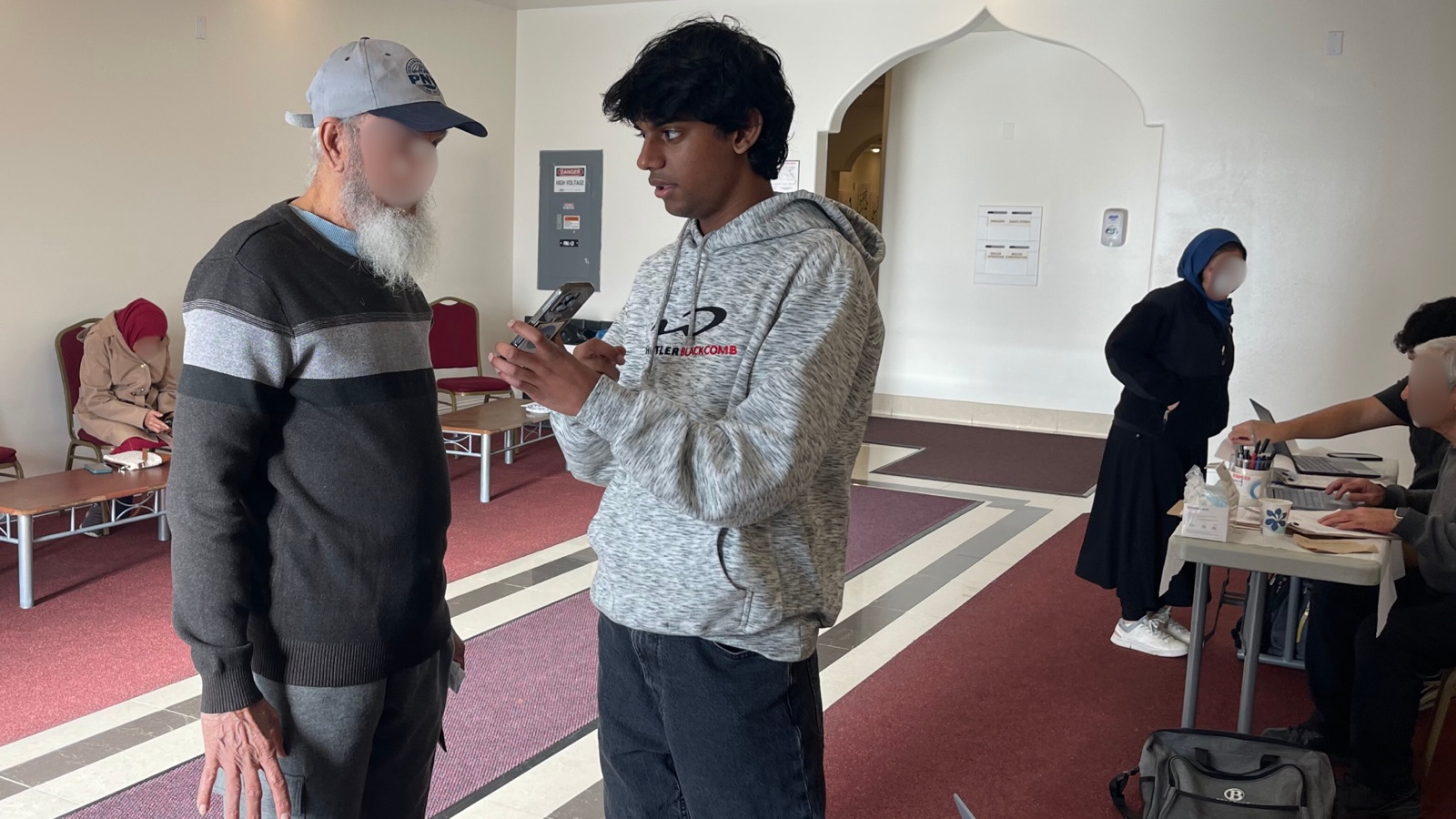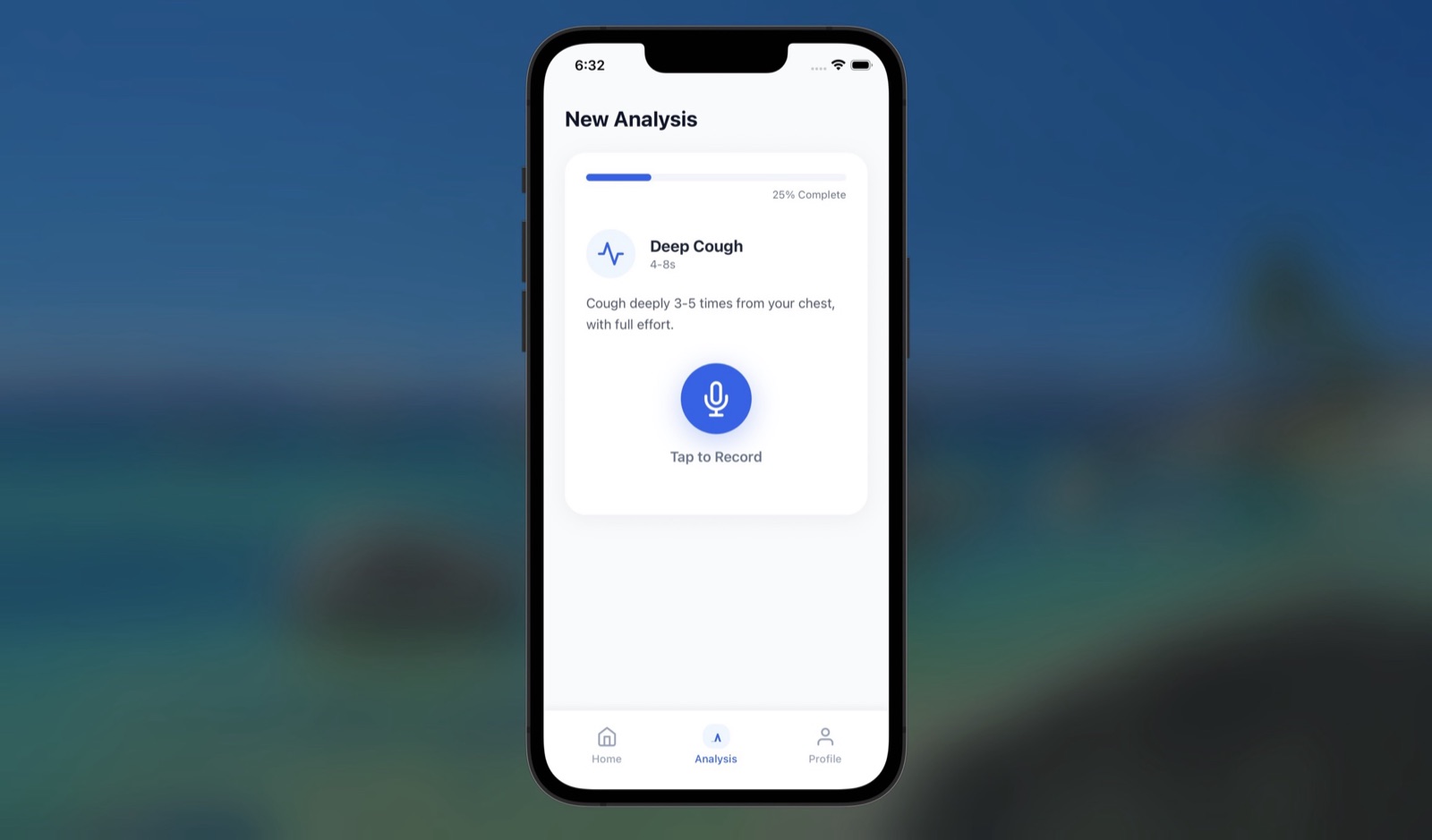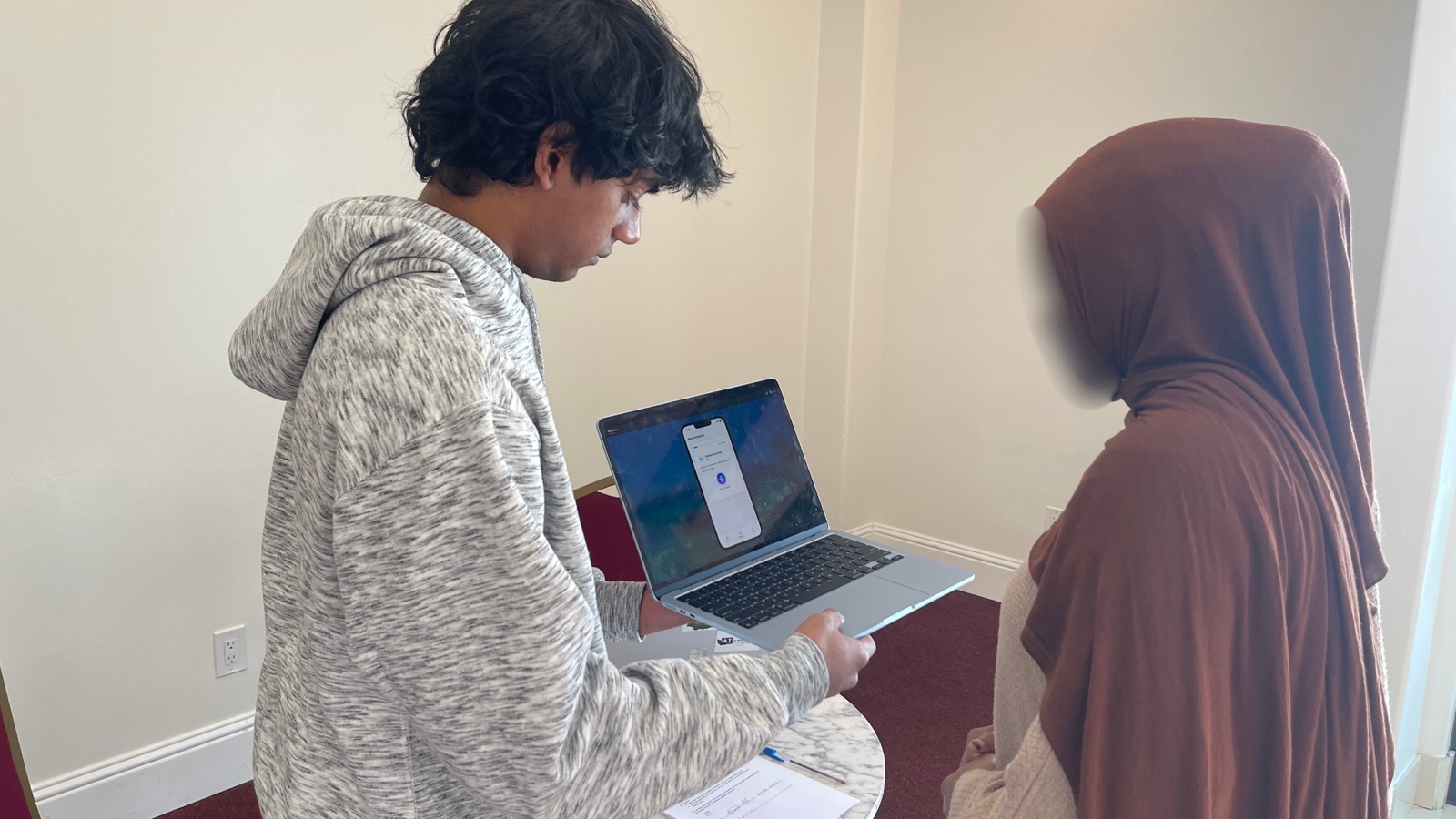
The photo above is from a community clinic where I tested my cough screening prototype. Someone coughs into a phone, the app turns the recording into an embedding with a pretrained audio model, and a classifier gives a screening estimate with a confidence band. People’s faces are blurred because they’re real patients who agreed to help.
I built most of that over the past year. Now that school has started again and summer’s projects are wrapping up, I keep coming back to it with fresh eyes. Here’s what I’d change.
1. Fix the front end before the model
Earlier this year I found that Whisper was averaging in about 90% silence on short cough clips. Restricting the pooling window was worth 5.1 points of balanced accuracy, more than any model change I tried.
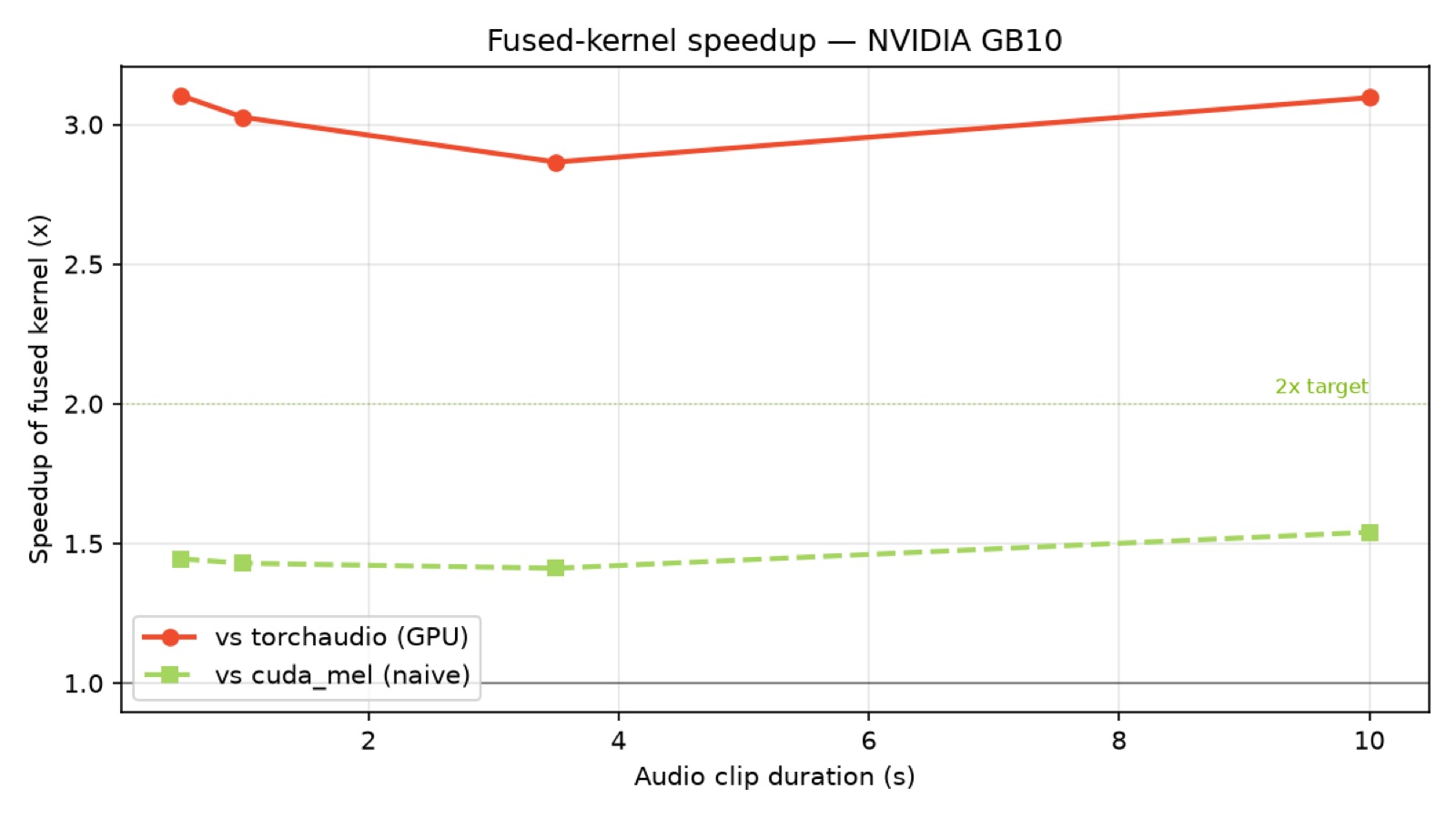
This summer I wrote a CUDA kernel that computes log-mel spectrograms about 3× faster than torchaudio on short clips. Both experiences point the same way. The step that turns sound into numbers matters more than I gave it credit for, and it’s worth looking at before reaching for a bigger model.
If I rebuilt CoughSense today, I’d start by measuring exactly what the model sees: how much of each clip is cough, how much is room noise, and how much is padding.
2. Write the success criteria down first
This summer I started writing my success criteria down before running an experiment, and it stopped me from fooling myself more than once. CoughSense never had that. When an augmentation bumped recall on a run, it was easy to keep it without asking whether the bump would survive a rerun.
Next time, before an experiment I’d write down which metric counts, how many repeated runs, and what improvement would be worth keeping. Then I’d stick to it.
3. Treat the clinic visit as the real test
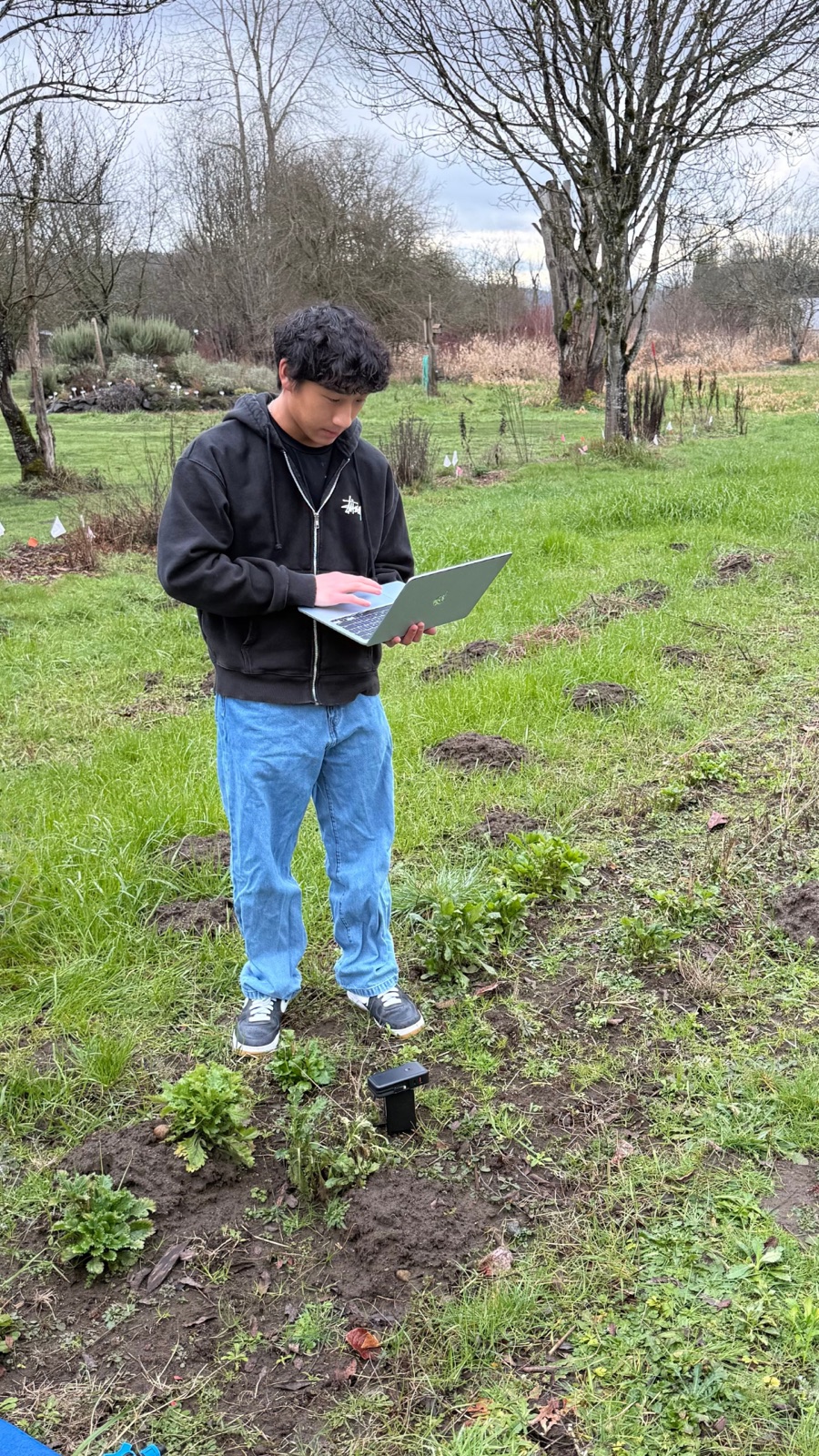
Clinic testing showed me things a dataset never would. Phones get held at different distances. A busy room adds background noise. Nobody coughs the same way twice. The AgriDefend field deployment taught me the same lesson with a sensor: the lab is a rehearsal.
I’d plan for that from day one, with a short checklist for each recording (distance, environment, device) so I could later tell whether errors come from the model or the setting.
4. Be clear about what it isn’t
CoughSense is a screening prototype, not a diagnosis, and every screen of the app should say so. Building Audra with a licensed preparer in the loop made me think harder about this. When a mistake costs someone their health or their money, the honest design puts a qualified person between the model and the decision.
Still worth building
I’m not starting over. The core idea holds: a phone microphone is everywhere, and a cheap first check that tells someone “get this looked at” could matter a lot where a doctor is far away. I just know how to build it better now.
The original demo is on YouTube if you want to see where it started.