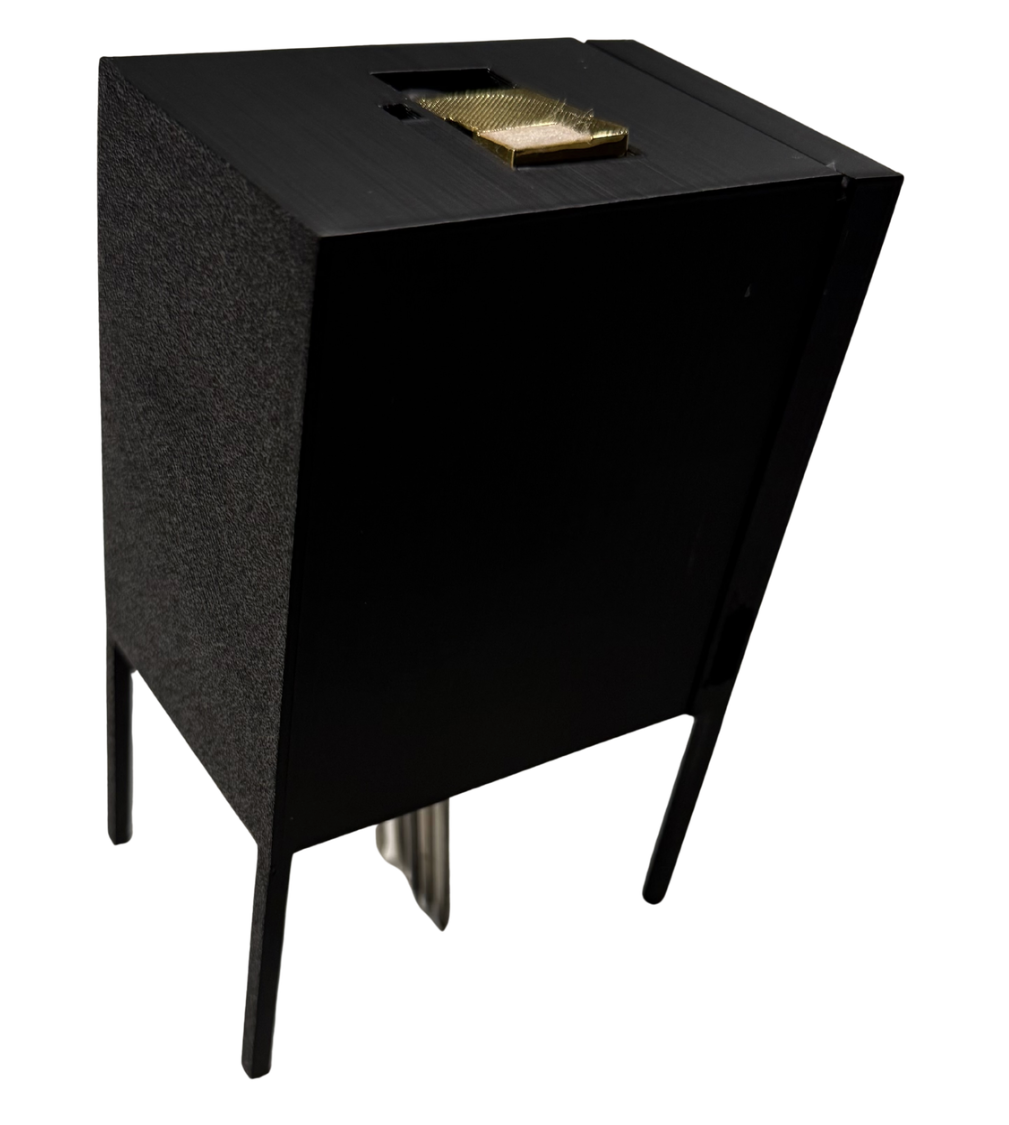
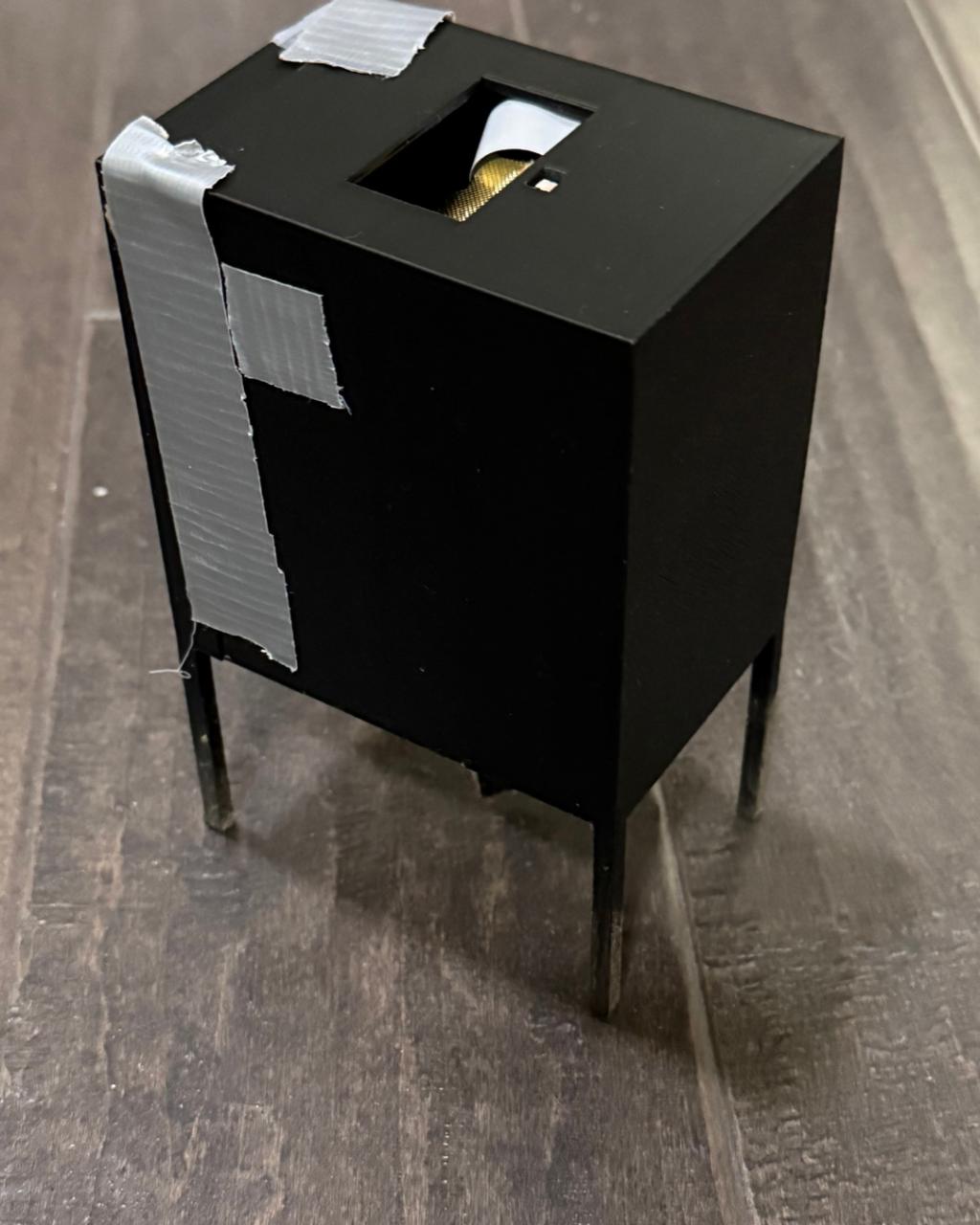
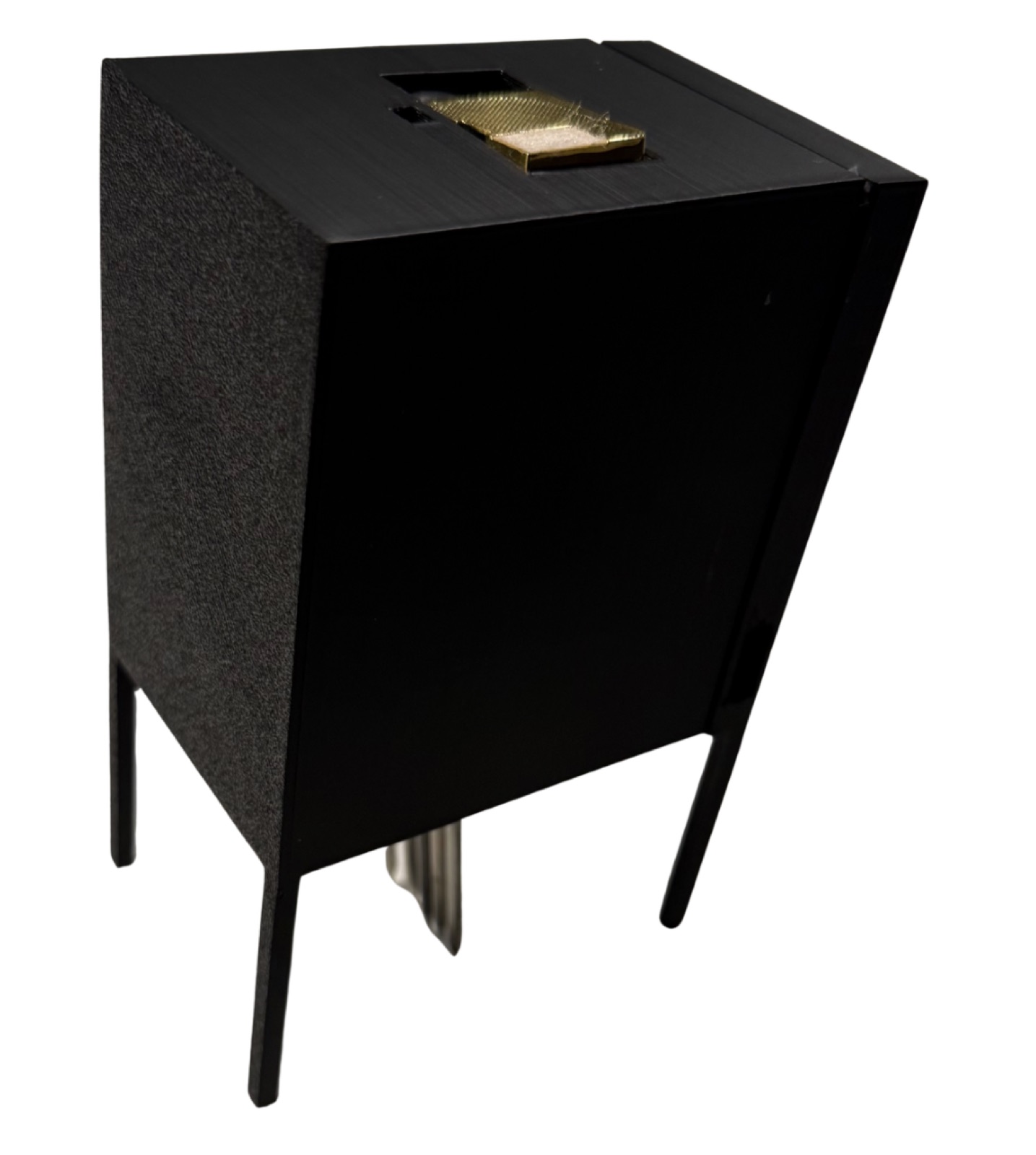
AgriDefend is a small device that sits in a field and watches for crop stress before you can see it. A camera reads the leaves, a soil probe reads what’s happening at the roots, and an AI model on a Raspberry Pi combines the two. Everything runs on the device. No cloud, no cell signal, no subscription.
Headline results: 87% accuracy across five crop-health classes, an early warning about 4 days before visible wilting, 1.4-second predictions on the device, and a full parts cost of $205, about a fifth of comparable commercial sensors.
Patent: AgriDefend: Hardware Bridge + Multimodal Edge AI for Early Crop Stress Detection, provisional application 64/055,521, filed May 2, 2026.
Click any section below for the full details.
Field testing on real farms
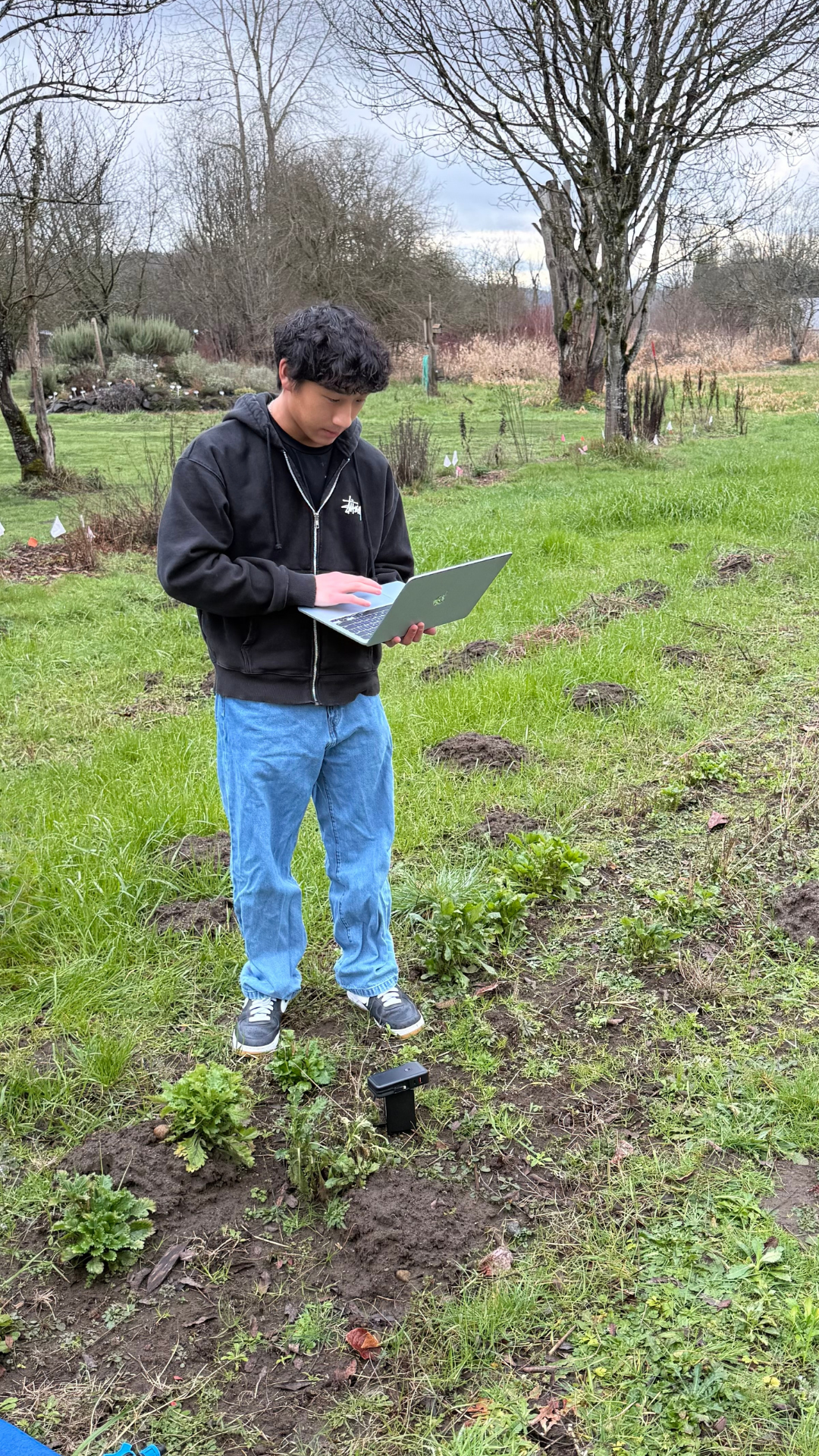
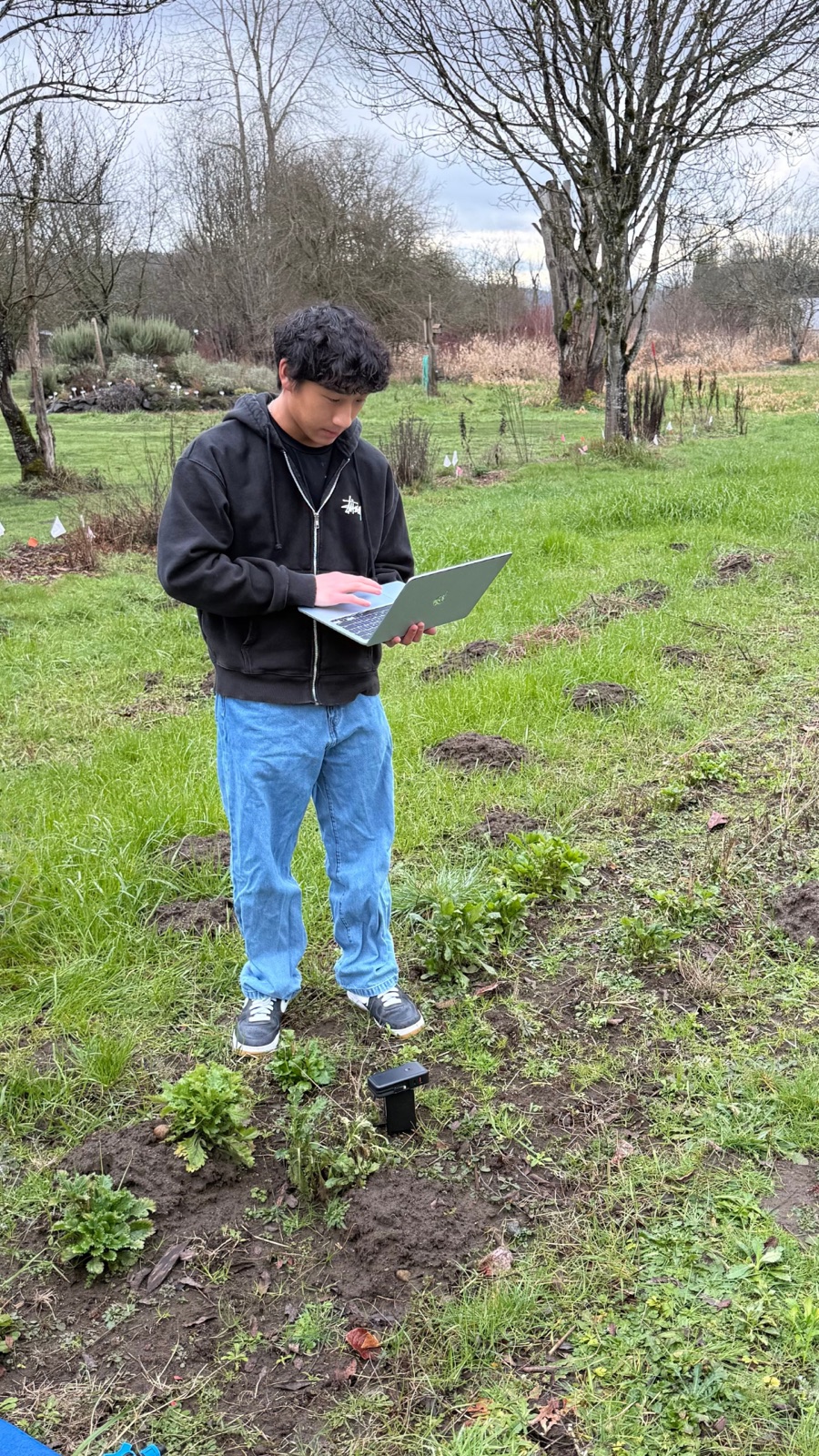
AgriDefend has been deployed outdoors on working farms, including 21 Acres Farm and Hawthorn Farms, alongside the controlled greenhouse trial. The field units taught us things a lab never would:
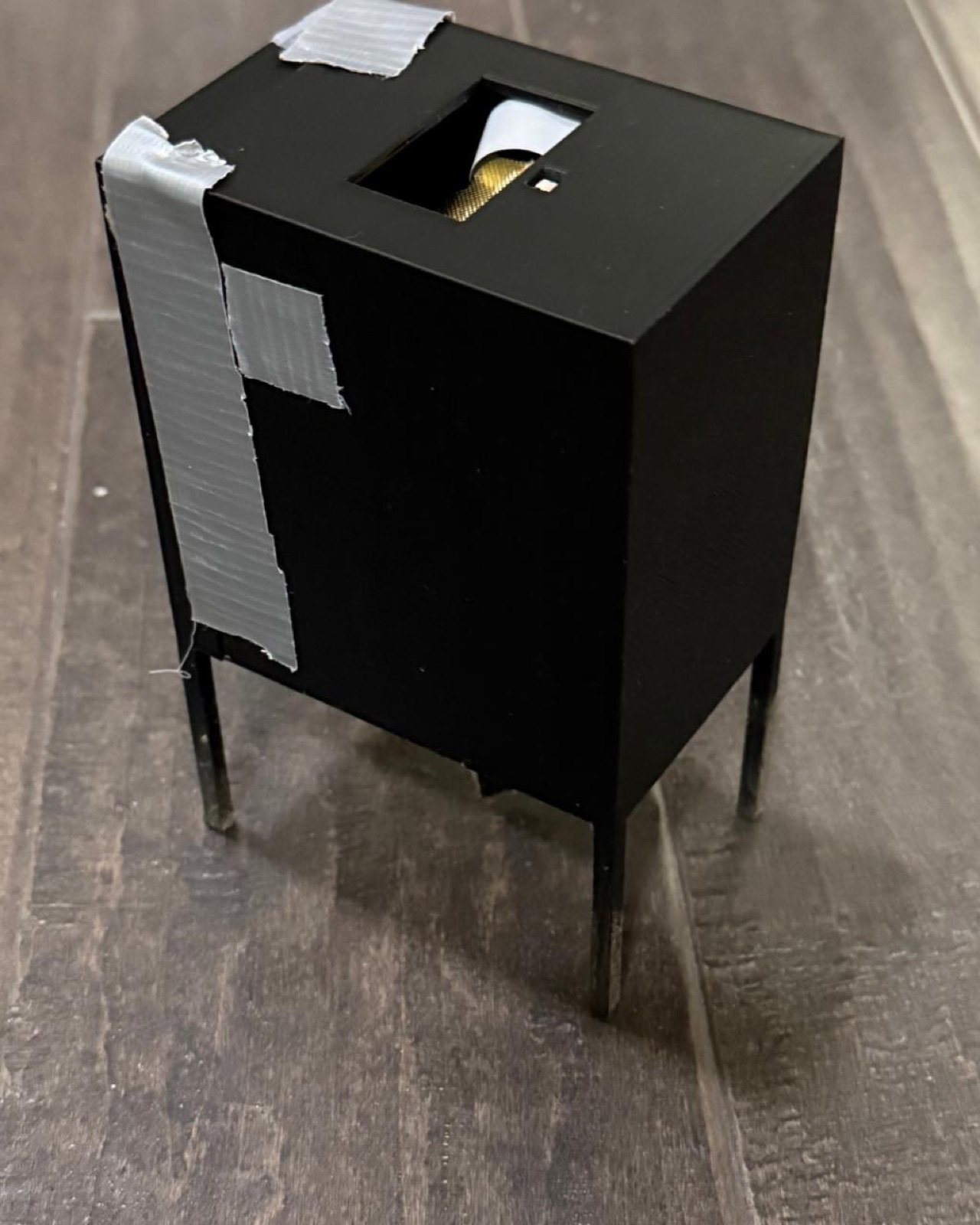
- Enclosure: morning dew condensed inside a sealed case from day-night temperature swings. We re-sealed it and added a vent with a hydrophobic membrane so pressure could equalize without letting water in.
- Power: on cold mornings the solar and battery setup sagged below what the datasheet suggested. A low-voltage cutoff now skips a reading instead of logging bad data, and sampling leans on midday hours.
- Connectivity: signal at Hawthorn Farms was much weaker than at 21 Acres. Readings queue on the device and upload when a connection comes back, with timestamps logged at capture time.
- Sensor checks: soil readings were compared against a King Conservation District soil-lab assay, which came in within a 12–15% error margin, consistent with the ±15% tolerance of low-cost probes.
Full write-up: what breaks when you put a sensor in a field.
Results in detail
Greenhouse drought trial: 3,165 wild radish images, one node per pot across 10 pots, tracked for 7 days after the final watering. Ground truth came from expert visual scoring plus gravimetric soil-moisture measurements.
| Model | Accuracy |
|---|---|
| Camera only (CNN) | 78% |
| Soil only (Random Forest) | 75% |
| Fused (both) | 87% |
- R² = 0.88, MAE = 0.05
- 92% precision on the Healthy class, so the device rarely cries wolf
- The 9-point gain from fusion is bigger than the gap between the two branches, which means the soil and the camera catch different things
Early warning: the soil branch flagged rising CO₂ and a growing moisture deficit around day 3.5. The camera didn’t see visible wilting until around day 7.5.
Speed on the device (same input, 50 runs):
| Setup | Time per prediction |
|---|---|
| Cloud endpoint | 3.5 s |
| Raspberry Pi 4, full precision | 2.8 s |
| Raspberry Pi 5, INT8 TensorFlow Lite | 1.4 s |
Generalization check: on 54,303 lab images across 14 plant species (PlantVillage), the fused model reached 99.7%. These are curated lab photos, so we report them separately from the field result.
How the AI works
- Camera branch: a MobileNetV2 network classifies leaf images into Healthy, Water Stress, Nutrient Deficient, pH Imbalance, or Disease.
- Soil branch: a Random Forest (200 trees) reads trends every 5 minutes: moisture, how fast pH, nitrogen, phosphorus, and potassium are changing, and belowground CO₂ minus ambient CO₂, which tracks root activity.
- Fusion: a small logistic-regression model combines both. We kept it simple on purpose. It can’t overfit a small field dataset, adds almost no latency, and shows which input drove each alert.
- Trend features: cheap soil sensors are noisy (NPK error up to ±15%), so the model looks at slopes over time instead of single readings.
Hardware and cost ($205)
| Part | Cost |
|---|---|
| Raspberry Pi 5 | $60 |
| Arducam camera | $25 |
| RS-485 7-in-1 soil sensor | $75 |
| MH-Z19C CO₂ sensor | $20 |
| ADS1115 + MAX485 bridge chips | $10 |
| 3D-printed case | $15 |
| Total | $205 |
The ADS1115 + MAX485 bridge lets a Raspberry Pi talk to farm-grade RS-485 Modbus soil sensors. It’s part of the patent filing. Full write-up: the Modbus bridge.
Works fully offline
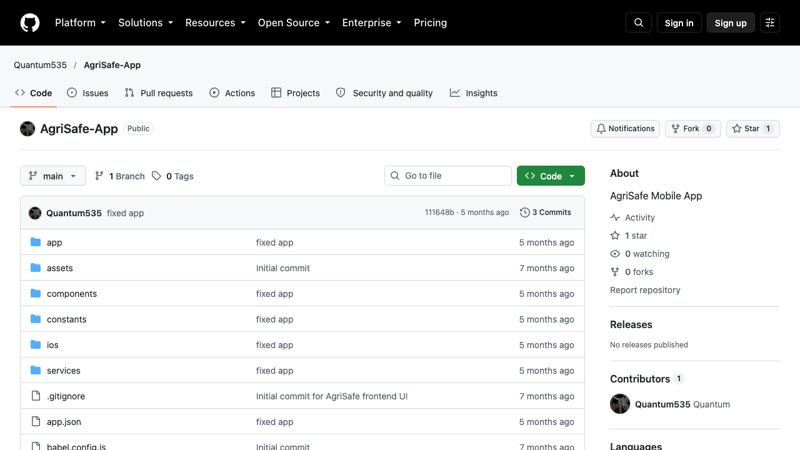
The Pi runs its own Wi-Fi hotspot. A farmer’s phone connects straight to the device, with no router, SIM card, or account, and a React Native app shows live predictions and soil trends from a local API. Every node is self-contained, so there’s no central server to fail. A grower could set up five nodes for less than the price of one commercial unit.
Papers and recognition
- Paper prepared for IEEE ICCE 2027 (International Conference on Consumer Electronics). How the paper came together.
- Version prepared for the Climate Change AI workshop at NeurIPS 2026
- Provisional patent 64/055,521
Next steps: more open-field sites, more crop species, and direct plant measurements like leaf water potential.
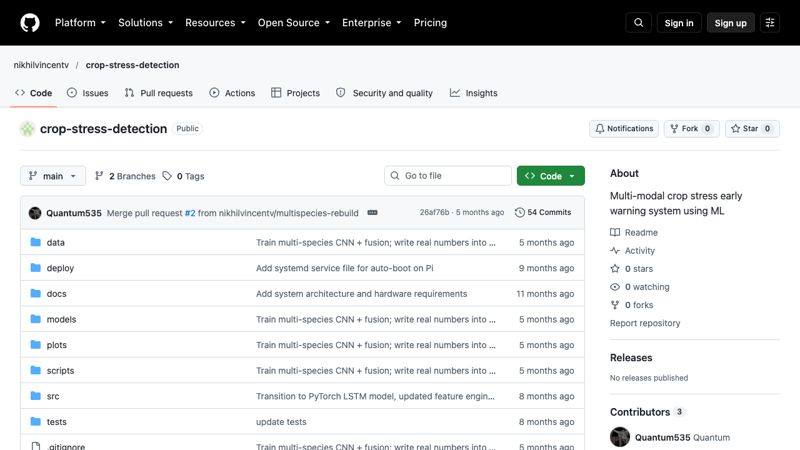
Links for this project
Gallery